
Cocaine is a highly addictive drug that can affect your mental and physical health. Book your consultation today for cocaine addiction treatment in New York!
Cocaine addiction, clinically called cocaine use disorder, is caused due to regular use of crack or cocaine use which damage health, life or relationships. By using comprehensive treatment care including FDA approved medication, medical stabilization, inpatient treatment, therapeutic program, and ongoing care.
Cocaine is a nervous system stimulant, as your body depends on it after regular use and raises your blood pressure or heart rate. It’s legal in pharmacological uses, but only under doctor prescription. The federal definition of “narcotic drug” in the Controlled Substances Act explicitly includes coca leaves and cocaine, so police reports and court charges use that word.
Risks are real, but an ideal treatment allows you to get rid of cocaine use disorder
There are some common symptoms that can’t be ignored to seek professional help. Signs of addiction tell you clearly that it disturbs all normal functioning of a person’s professional and personal life..
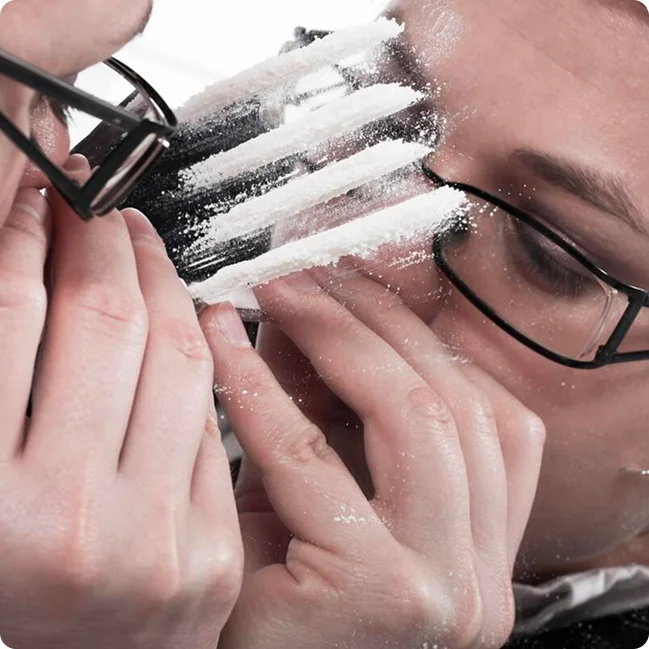
Signs someone has used cocaine
| Test | Occasional use | Heavy, frequent use |
|---|---|---|
| Urine | 2–4 days | Up to ~2 weeks |
| Blood | Cocaine for hours & metabolites 1–2 days | Similar; shows recent use only |
| Saliva | 1–2 days | Up to 2–3 days |
| Hair | Up to ~90 days | Up to ~90 days |
Cocaine withdrawal doesn’t usually cause the seizures or dangerous vital-sign swings seen with alcohol or benzodiazepine withdrawal. That’s where the good news ends. Its main danger is psychological issues like depression that can bring suicidal thoughts, and strong cravings. Clinicians describe it in three phases, a model first set out by researchers Frank Gawin and Herbert Kleber in the 1980s.
Hours to a few days after the last dose
Exhaustion, long sleep, big appetite, low mood, irritability, anxiety. Craving often dips at first.
Roughly 1 to 10 weeks
Flat mood and low energy (anhedonia), poor concentration, vivid dreams, and cravings.
Months
Cravings come less often but can still hit hard when triggered. This is where relapse-prevention skills do their work.
Cocaine toxicity and misuse is not same for each person, its dependency depends on dosage use so treatment is dependent on it. It’s a ladder step to take which is based on mental health, crack dependency, and home environment. Our clinicians place each person using the ASAM Criteria.
Provides 24/7 clinical supervision to safely clear cocaine from your system and stabilize acute withdrawal.
Offers a fully immersive, 24/7 residential environment free from outside triggers to build early sobriety.
Provides structured therapy several days a week while allowing you to live at home and keep working.
Treats cocaine addiction and co-occurring mental health conditions like anxiety or depression with addiction.
Helps heal strained relationships, address codependency, and establish a strong home support system.
Maintains long-term recovery through ongoing therapy, relapse prevention plans, and sober peer support.
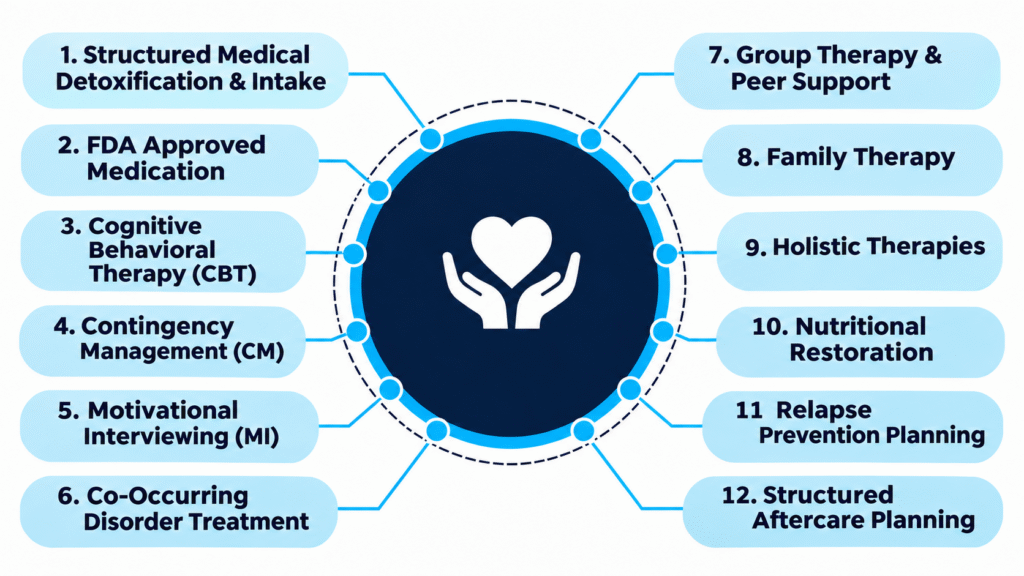
We offer effective therapies that help you recover quickly with relapse prevention.
Call (844) 326-5252
day or night.
Insurance check
Assessment
Admission
At NYC Rehab Recovery, we facilitate our patients with all possible options. That’s why we allow you to verify your insurance plan easily. This quick verification is a helpful option that allows you to cover all costs using the insurance. Therefore, you have to pay nothing from your own pocket for the cocaine treatment in New York.
NYC Rehab Recovery has become the ideal cocaine use disorder rehab center in New York that offers inpatient and outpatient treatment with different therapies and aftercare support. Our certified professionals provide the most reliable cocaine addiction treatment when you are looking for help. Get a free call back now to discuss your addiction level and get the appropriate treatment!

Contingency management and Behavioral therapies are the main treatment, because no medication is FDA-approved for cocaine use disorder.
Most eventually do. A U.S. national survey estimated a 99.2% lifetime probability of remission from cocaine dependence, with half of people remitting within about five years.
No amount of cocaine has a known safe limit. Heart attacks and fatal heart rhythms can happen with first-time use, and street cocaine in NYC is frequently contaminated with fentanyl.
Yes. Cocaine is a central nervous system stimulant. It blocks the reuptake of dopamine, norepinephrine and serotonin which raises heart rate.
The high from cocaine lasts minutes, but tests tell us coke presence. A standard urine test can detect cocaine use for about 2-4 days after occasional use and up to about two weeks after heavy, daily use. Hair tests can show use for roughly 90 days.