
| Is isopropyl the same as rubbing alcohol? No, both are different. Isopropyl alcohol is a chemical, while rubbing alcohol is a product made from isopropyl alcohol, which is diluted with water. Some rubbing alcohol is made up of ethanol. |
Key takeaways
- Isopropyl alcohol (also called isopropanol or IPA) is a chemical compound. Sold “pure,” it’s usually 91% to 99%.
- Rubbing alcohol is a chemical product, usually about 70% alcohol and 30% water.
- Most rubbing alcohol in the U.S. is isopropyl rubbing alcohol. Ethyl rubbing alcohol, made from ethanol, also exists.
- Neither is safe to drink, as it can cause serious poisoning after long-term intake.
Isopropyl alcohol is a raw chemical, while rubbing alcohol is ready to use product. The bottles are placed side by side and don’t make any obvious difference. One says “isopropyl alcohol 91%,” another says “rubbing alcohol 70%,” and a third says “isopropyl rubbing alcohol.”
This guide explains what each one is made of, and how you can get professional help from alcohol detox if you get intoxicated from it.
What Is Isopropyl Alcohol?
Isopropyl alcohol is a clear, colorless, flammable liquid with a sharp smell. It’s a kind of chemical that is mainly used in homes, clinics, and on industry level.
Is isopropanol the same as isopropyl alcohol?
Yes, it’s the same thing. Isopropanol, isopropyl alcohol, 2-propanol, and IPA are compounds with different names. “Isopropanol” is the more formal chemical name, and “isopropyl alcohol” is the common one. When people search “isopropanol vs isopropyl”, the answer is that there’s no difference.
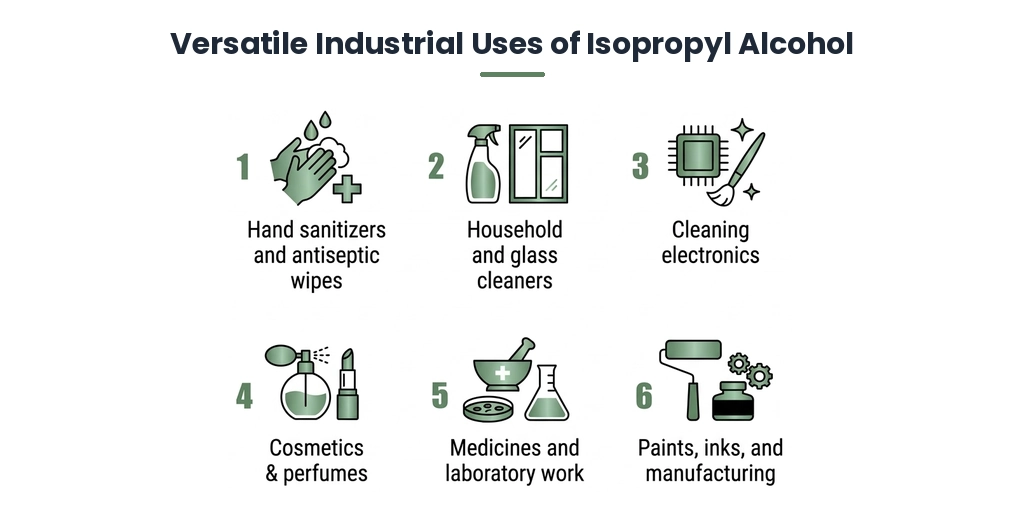
Isopropyl alcohol is used in different industry sectors for different purposes:
What Is Rubbing Alcohol Made Of?
Rubbing alcohol is a kind of ready-to-use product that is made of isopropyl alcohol with diluted water. Then it will be made of two main ingredients:
- An alcohol: usually isopropyl alcohol, sometimes ethanol
- Diluted water: usually about 30%
Some products are also added in rubbing alcohol as a side product or in minor quantities, which are:
- Wintergreen oil (methyl salicylate), in rubbing alcohols sold for sore muscles
- Fragrance, color, or stabilizers
- Bittering agents and other denaturants, in ethanol-based versions, to make them unpleasant and unsafe to drink
What type of alcohol is rubbing alcohol?
Usually isopropyl alcohol, but not always. That’s why there are two types of rubbing alcohol.
Rubbing Alcohol vs Isopropyl Alcohol: The Key Difference
| Isopropyl rubbing alcohol | Ethyl rubbing alcohol | |
| Main ingredient | Isopropyl alcohol (isopropanol) | Ethanol (ethyl alcohol), denatured |
| Typical strength | About 70% (some products 50% to 99%) | About 70% |
| How common | The most common type in U.S. stores | Less commonly |
| Smell | Sharp, medicinal | Milder |
| Safe to drink? | No. Toxic | No. Denatured with additives that make it unsafe to drink |
Is rubbing alcohol ethanol?
Sometimes, there’s one kind named “Ethyl rubbing alcohol” made up of ethanol. It’s also found in beer or wine. If it is labelled or said as “denatured,” then it means it is unsafe to drink. You can check it from its label if it is either “isopropyl alcohol” or “ethyl alcohol.”
Why Is It Called Rubbing Alcohol?
The name took off in North America as the word “rubbing” clearly refers to the skin used or for massage of sore muscles, but not for drinking.
Is 70% Isopropyl Alcohol the Same as Rubbing Alcohol?
Yes, a product labelled as 70% isopropyl alcohol or isopropyl rubbing alcohol is essentially the same. It’s almost 70% isopropyl alcohol and 30% diluted water. The only time they differ is when the rubbing alcohol is ethanol-based or has added ingredients such as wintergreen. Read the active ingredient line to be sure.
Which Should You Use? 70% vs. 91% vs. 99% Isopropyl Alcohol
A higher percentage doesn’t always mean it’s stronger to use. For killing germs, 70% usually works better or better than 91% or 99% alcohol.
According to one of the CDC reports, alcohol kills germs better at 60% concentration in water. Water in alcohol helps to get inside the bacteria and break down protein and slow evaporation. It will enhance the staying time to stay wet on a surface. The higher the concentration, the more quickly it will evaporate.
Suspect Alcohol Misuse? Get Immediate Help in NYC
How to Use Rubbing Alcohol Safely
Rubbing alcohol can be used for cleaning purposes or to disinfect the surgical instrument. Here is further more good uses
- Cleaning skin before syringe insertion or blood sugar check
- Disinfecting any medical tools before being used, like scissors, thermometer, or tweezers
- Wiping down daily used products, including phone, keyboards, or doorknobs
- Removing any dust or sticky residue from hard surfaces
Can 70% isopropyl alcohol be used on skin? Yes, on the outer surface of the skin for a short duration, like before injecting a syringe. Frequent use of it irritates skin, or it may dry it out.
Can You Drink Rubbing Alcohol?
No. According to the NIH report, even a small amount of its intake or inhalation causes severe toxicity in the body. Never drink any kind of rubbing alcohol or isopropyl alcohol even in small quantities.
Many people misidentify it as a stronger form of alcohol in wine or beer versions, while it’s only a poisonous chemical.
What happens if you drink rubbing alcohol?
Isopropyl alcohol acts the same as a standard alcoholic drink on the brain cells, but causes more toxicity that leads to severe complications. The body breaks it down into acetone, so the nervous system remains in a depressive episode for the next several hours. Even a long duration of this can cause stomach lining bleeding.
Symptoms of isopropyl alcohol poisoning can include:
- Nausea, stomach pain or even vomiting with blood
- Dizziness, confusion or drowsiness
- Breath odor like nail polish remover due to acetone
- Low blood pressure or heart rate
- Loss of consciousness, even sometimes coma
- Death, in severe cases
| Call 911 immediately or poison control at 1-800-222-1222 if someone has swallowed rubbing alcohol. Don’t wait longer. |
Why Some People Drink Rubbing Alcohol, and How to Help
Most rubbing alcohol poisonings taken by accidents like children find bottles under the sink or someone places alcohol in plastic mineral bottles. But sometimes people drink it on purpose when they’re physically dependent on the alcohol or can’t afford regular drinks.
If you see someone you love drinking alcohol which is not allowed then take it as a serious sign of severe alcohol use disorder. It eventually leads to higher risk of poisoning, injury, and severe withdrawal symptoms. Some signs to watch if someone take it or not:
- Missing or quickly emptied bottle of rubbing alcohol, hand sanitizer or mouth wash quickly
- Signs of physical intoxication with no alcohol drink near your home
- Nail paint removal like odor from their breathing
- Unusual GIT issues like stomach pain or vomiting
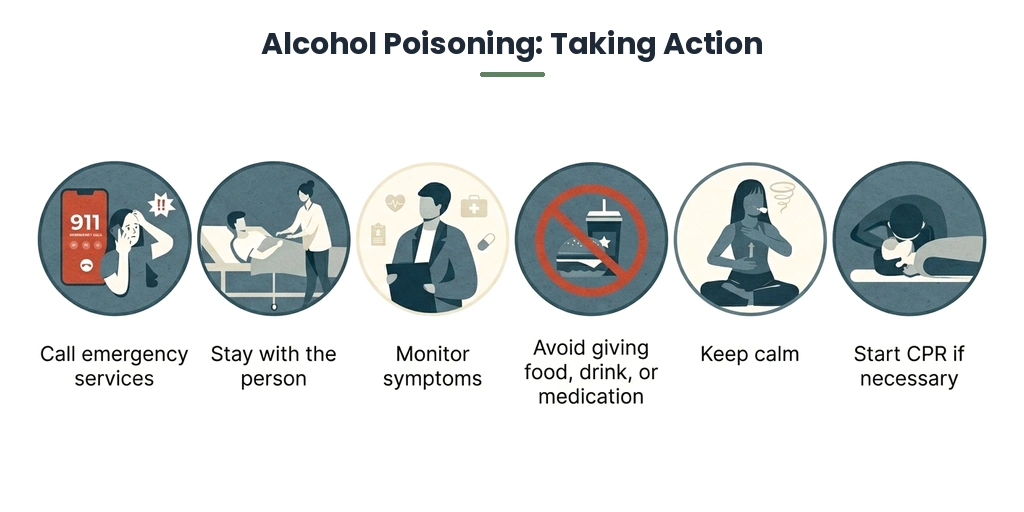
What Immediate Action helps
- Remove the rubbing alcohol access from your home like don’t buy any product which cause risk
- Don’t make them aggressive or pressurize them to leave it
- Only do consultation or talk when they’re calm and sober
- Communicate with concern, don’t blame them
- Go to a nearby rehab or get professional help before they stop drinking. Because heavy drinking causes severe withdrawal symptoms.
Alcohol addiction treatment at NYC Rehab
If you or someone you love drinks rubbing alcohol, then it’s a sign that they need immediate professional help. Our NYC rehab facility provides a comprehensive treatment approach to deal with it with medical detox, inpatient PHP, or IOP programs which give flexibility according to a person’s body requirement.
Therapeutic Treatment Approach we Used for Alcohol Use Disorder
- Medically Supervised Withdrawal Management (Detoxification)
- Craving Reduction with Naltrexone
- Abstinence Maintenance with Acamprosate (Campral)
- Cognitive Behavioral Therapy (CBT)
- Motivational Interviewing (MI) & Motivational Enhancement Therapy (MET)
- Dialectical Behavior Therapy (DBT) Skills
- Contingency Management (CM)
- Structured Relapse Prevention Planning
- Lifestyle Reconstruction & Habit Rebuilding
- Behavioral Couples Therapy (BCT) & Family Counseling
- Co-Occurring Disorder (Dual Diagnosis) Integration
Don’t wait any longer if that situation gets worse, just contact us to verify your insurance to start your healing process.
Worried About a Loved One? Talk to an NYC Expert Right Now
Connect with our intervention and recovery team today to guide your loved one into safe care. Let’s move towards a healthier future together.
Frequently Asked Questions
Is 70% isopropyl alcohol considered rubbing alcohol?
Yes. Isopropyl rubbing alcohol is defined as 68% to 72% isopropyl alcohol in water, so a bottle of 70% isopropyl alcohol is essentially the same thing.
What is the difference between rubbing alcohol and isopropyl alcohol?
Isopropyl alcohol is a single chemical, usually sold at 91% to 99% strength. Rubbing alcohol is a product, usually about 70% alcohol and 30% water.
Is isopropanol the same as isopropyl alcohol?
Yes. Isopropanol, isopropyl alcohol, 2-propanol, and IPA are all names for the same chemical compound.
Can I use isopropyl alcohol instead of rubbing alcohol?
Yes, for most cleaning jobs. For disinfecting, use 70% isopropyl alcohol or dilute a higher-strength product with water to about 70%.
Can 70% isopropyl alcohol be used on skin?
Yes, on small areas for short periods, such as cleaning skin before an injection.
Is rubbing alcohol the same as drinking alcohol?
No. Most rubbing alcohol is isopropyl alcohol, a different and more toxic chemical than the ethanol in alcoholic drinks.
What happens if you drink rubbing alcohol?
It causes rapid, severe intoxication, stomach pain, vomiting (sometimes with blood), dangerously slow breathing, low blood pressure, and possibly coma or death.
Why is it called rubbing alcohol?
The name became popular during Prohibition to make clear the product was meant for rubbing on the skin, as in massage liniments, and not for drinking.