
Quitting drinking when your body is dependent on it means your body goes through stages of recovery. Your nervous system breaks down and needs months or years to recover from constant depression to normal health.
Every individual has their own recovery timeline, but here we can have some assumptions about when and what we can expect in this long journey.
For light or moderate drinkers, it can be better to seek the right medical advice instead of treating life-threatening symptoms at home. Our NYC rehab walks you through each step of recovery from alcohol addiction.
How Long Does Alcohol Withdrawal Last?
Alcohol withdrawal effects varies from person to person, depending on their physical health, the quantity of drink consumed, and the duration of drinking.
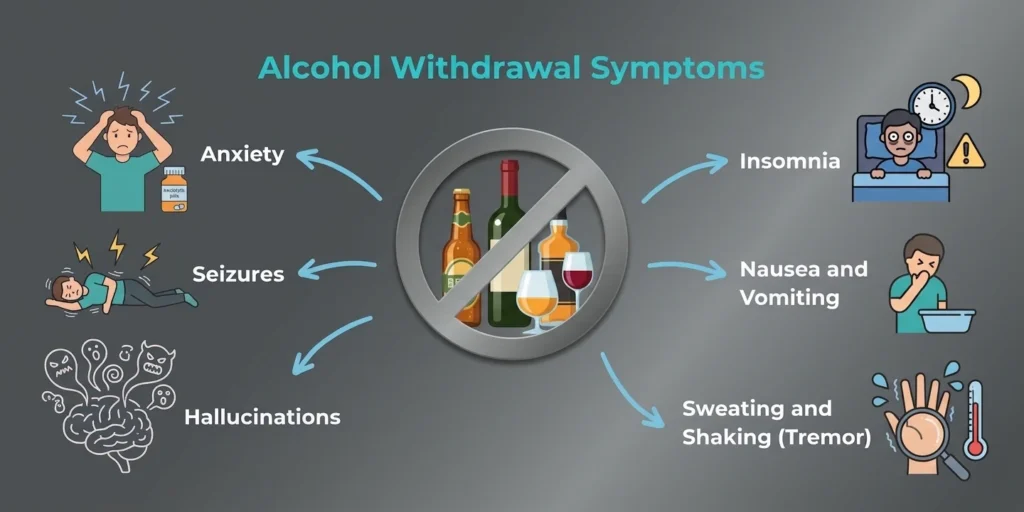
Within the first hours after your last drink, withdrawal symptoms, including sweating, anxiety, and tremors, start happening. In the first 72 hours, the body carries the highest risk of seizures and delirium tremens.
By the second week, sleep cycle and mood swings start improving, and in three to twelve months, most people get back their energy, focus, and health.
Take the First Step Towards Sobriety Today at NYC Rehab
What Happens When You Quit Drinking Timeline
This is an alcohol withdrawal syndrome timeline, which explains estimated signs and symptoms of what will happen next. Everyone’s experience may vary slightly from one another according to their body condition.
1. What Happens in the First 72 Hours (The Danger Window)
When someone drinks heavily, their brain responds by lowering the calming chemical GABA and activating the stimulating hormone glutamate to feel normal. If alcohol is restricted suddenly, the brain stays stuck in “overdrive” mode.
| Fact: Anyone who drinks heavily & regularly for a prolonged period, then suddenly stops (“quitting drinking cold turkey”), can experience life-threatening alcohol withdrawal, including seizures or delirium tremens. |
2. Detox Alcohol Withdrawal Timeline: Hour by Hour
| Time Since Last Drink | What’s Happening |
| 6–12 hours | Early symptoms begin like anxiety, shaky hands, sweating, nausea, headache |
| 12–24 hours | Symptoms intensify with visual or auditory disturbances |
| 24–48 hours | Peak risk window for withdrawal seizures |
| 48–72 hours | Highest risk period for delirium tremens (DTs), and hallucinations |
| 72 hours–1 week | For most people, acute symptoms begin easing; sleep is still disrupted |
| 1–2 weeks | Physical withdrawal symptoms largely resolve for people without severe dependence |
3. Your Body Starts Repairing within week 1 to 4
Once the acute alcohol withdrawal symptoms window closes, the repair phase begins, and this is where most people start noticing genuine improvement.
- Sleep cycle rebuilds
- Liver cells clear inflammation and toxins from the body
- Blood pressure and hydration levels start to normalize again
- Mood swings improved, and hormones get stabilized
4. What to Expect in Your First Year Sober
| Timeframe | What Typically Changes |
| Month 1 | Acute withdrawal resolves but sleep is disrupted little bit and mood swings are common |
| Month 2–3 | Deeper sleep returns: mental fog lifts; skin hydration and complexion improve; cravings start to space out |
| Month 4–6 | Liver enzyme levels (ALT/AST) often normalize on bloodwork, cardiovascular markers improve & energy increase |
| Month 7–9 | Emotional regulation strengthens, confidence in social situations without alcohol builds, and relationships get better |
| Month 10–12 | Mental clarity, self-trust, and identity feel more stable |
5. Which Health Effects of Drinking Are Reversible?
Chronic diseases such as alcohol are known carcinogens, so restraining alcohol intake may lower the risk but not reverse it. Cirrhosis (liver damage in the last stage) can be improved but not healed permanently. But some of the conditions can be fully reversed with absolute abstinence in time, such as:
- Fatty liver (non-cirrhotic)
- Elevated blood pressure caused by drinking
- Sleep disruption
- Sexual and hormonal function issues linked to heavy drinking
- Weight and metabolic changes
- Blood sugar and mood swings
- Certain long-term cognitive effects
Drinking quantity largely affects the type and condition of the body. For example, 2 to 3 drinks every day increase the risk of colorectal cancer,, while 3 or more drinks per day increase the risk of stomach and liver cancer. Male fertility is greatly affected by heavy drinking, but it can be reversed if you stop or quit.
| Recent studies show that high alcohol consumption causes an increased risk of mouth cancer, cancer of the upper throat, oesophagus, and breast. |
How long does it take to feel better after quitting alcohol?
There are several stages in the recovery timeline during detoxing from alcohol that will depend on individual health and drinking quantity. In early stages, physical and mental signs of alcohol withdrawal symptoms get worse, but in a couple of days things get better.
In the starting days, a person may feel like everything is falling apart; their desire to take one sip increases, and reaching out for help at that point with transparent communication is a big part. Later, after this stage, there come days with positive hope, repairing relationships, and getting back their own self-confidence.
Quitting is not a smooth path; rather, it comes with curves of feeling worse, being mentally drained, even being stuck in a specific stage, or the risk of relapsing. But keep reminding yourself that you have more capacity than that to create an addiction-free, healthy life.
How to quit alcohol safely
Quitting alcohol when developing an addictive dependency can only be reversed with the right medical care, like NYC Rehab Center, while people without dependency can easily cut down their usage with consistency and by following strategies.
In a rehab facility, your withdrawal symptoms can be managed safely; on-duty staff pays around-the-clock attention to treat you mentally and physically. Our rehab center not only helps you recover from addiction but also heals the underlying root cause that triggers this condition.
Our alcohol recovery program involves three important steps
Detox
Alcohol detox is an initial yet important process in recovery. This stage purifies your body of all toxins from alcohol in a safe environment under medical supervision. Withdrawal symptoms are the most complicated to handle, so our professionals provide 24-hour medical care.
Rehab
Alongside detox, your whole body needs fundamental changes, such as restraint from a toxic environment that triggers your addiction. In our alcohol rehab facility, we help you understand your body’s needs and combine clinically approved therapies. These therapies help to develop self-confidence and prevent relapse risk in the future.
Aftercare
To achieve long-term sobriety, it’s important to have a strong supportive network of people just like you. At NYC Rehab, we provide ongoing weekly group therapy sessions and alumni groups so you can stay sober and connected.
Ready to Reclaim Your Life? See What Your First 30 Days Without Alcohol Look Like
Tips for Staying Sober Through Year One
Consistency is a key to success. Staying sober is not about willpower; it’s about being disciplined to create a supportive system around your goals that motivates you to do something more. These practical coping strategies help to balance life, reduce the risk of relapsing, and make a sober life a reality.
- Create a balanced routine with a consistent sleep schedule and self-care time
- Take a healthy, nutritious meal and stay physically active
- Do proper yoga and meditation to calm your nervous system
- Build accountability and trust your friends or family with your goals
- Regular check-ins and joining an alumni group
Getting help to quit drinking
If you or your loved one is addicted to alcohol and ready to quit this habit, then contact the NYC rehab helpline today. We are here to help you reach your targeted goals and provide support to achieve long-term sobriety.
What happens to your body when you stop drinking alcohol?
Your nervous system get balaance again, hydration, sleep improved, and your body system like liver, blood pressure, and skin start healiing within few months.
How quickly does your body change when you stop drinking alcohol?
Adverse symptoms start within 24-72 hours, while body healing improvement will be visible within two weeks to four weeks.
What does 7 days no alcohol do to your body?
After 7 days of restricting alcohol, withdrawal symptoms like hand tremors (“the shakes”), anxiety, nervousness, nausea, vomiting, insomnia restlessness, and headaches start showing.
How long until alcohol is 100% out of your system?
Body start clearing out toxins within 24 hours after restraining alcohol, while neurological and metabolic effects get rebalanced within few weeks.
How much will my body improve with 30 days of no alcohol?
30 days typically brings better sleep, clearer skin, lower blood pressure, early liver healing, and noticeably higher daily energy.